From Traditional to Digital: Understanding the Advancement of Cloth Printing
The makeover of cloth printing from conventional approaches like block printing and stand up to dyeing to contemporary methods such as display and electronic printing notes a significant shift in the textile market. Typical methods, steeped in artisanal craftsmanship and social significance, have gradually paved the way to electronic developments that use unprecedented precision, effectiveness, and modification. This transition not only improves manufacturing capabilities but likewise lines up with growing demands for lasting techniques. Yet, how do these innovations affect the essence of cloth printing, and what might the future hold for this ever-evolving craft?
Traditional Towel Printing Techniques
In the beginning of fabric manufacturing, conventional cloth printing approaches functioned as the foundation of fabric layout, supplying both performance and artistic expression. Strategies such as block printing, withstand dyeing, and stenciling were carefully developed and improved over centuries, each contributing unique sensible applications and aesthetic top qualities to the material industry. Block printing, among the oldest techniques, involved sculpting elaborate layouts into wood blocks, which were then dipped in color and pressed onto fabric. This labor-intensive procedure enabled the rep of in-depth patterns, showcasing the artisan's ability and creativity.
Resist dyeing, including methods like batik and tie-dye, employed wax or other substances to protect against dye from permeating particular locations of the material. This method produced striking contrasts and complex layouts, commonly imbued with cultural relevance. Stenciling, an additional traditional method, included cutting patterns into a product and using color through the openings, supplying a less complex yet effective method to create recurring styles.
These standard approaches not just formed the textile sector's very early growth yet also prepared for future technologies. Each strategy reflected the local and social qualities of its origin, protecting and disseminating artisanal expertise via generations.
The Surge of Display Printing
The introduction of screen printing in the very early 20th century marked a significant separation from typical techniques, providing unprecedented convenience and effectiveness. Screen printing made it possible for designers to produce complex patterns and dynamic colors on textiles, which were previously testing to accomplish with block printing or hand-painting techniques.
One of the vital benefits of screen printing is its capacity to duplicate intricate styles on a big scale with remarkable integrity. This scalability made it tremendously popular in the business textile sector, where automation without sacrificing quality is extremely important. Display printing accommodates a vast range of dyes and inks, expanding the combination of appearances and finishes offered to developers.
Furthermore, the process is very adaptable, suitable for different textile types including cotton, silk, and synthetics. This flexibility, combined with its cost-efficiency for big runs, solidified screen printing's duty as a foundation of contemporary fabric production. Therefore, the increase of display printing transformed the sector, pressing the borders of what was possible in textile style.
The Advent of Digital Printing
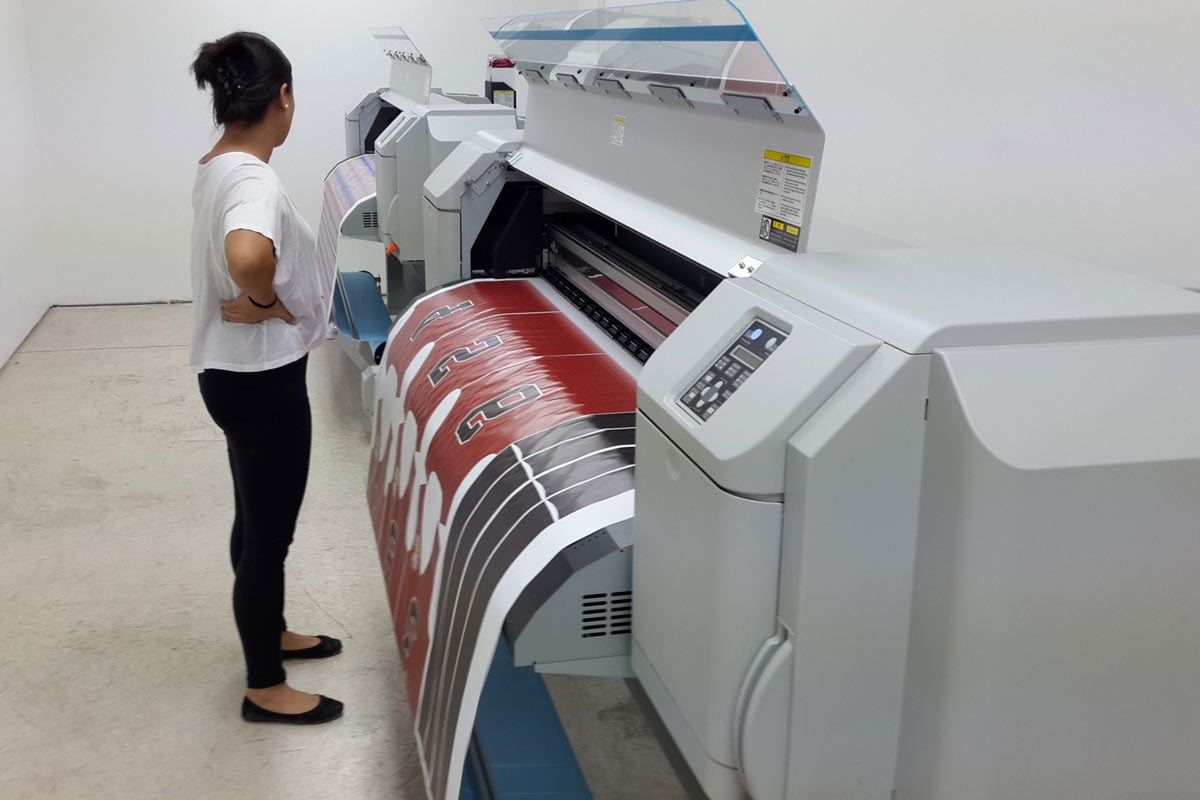
Building on the amazing improvements brought by display printing, the fabric market experienced one more groundbreaking growth with the arrival of electronic printing. Arising in the late 20th century, electronic printing changed the means layouts are moved onto textiles, supplying extraordinary adaptability and performance. Unlike typical approaches, which usually called for considerable arrangement and substantial hands-on intervention, digital printing employs computer-aided design (CAD) technology to produce intricate patterns read more straight onto the textile with high accuracy.
This innovation has actually made it possible for fabric makers to fulfill the expanding demand for customization and on-demand production. By removing the requirement for screens and plates, electronic printing lessens and minimizes lead times material waste, making it an extra sustainable option. The capacity to print complex pictures and a variety of shades in a single pass has actually opened new innovative opportunities for developers, cultivating a rise in artistic expression within the sector.
Moreover, digital printing sustains smaller set production runs, which is specifically beneficial for particular niche markets and startup style brands. This technical leap has not just enhanced functional efficiency however also democratized accessibility to high-grade textile printing, establishing the stage for future technologies in material design and manufacturing.
Comparing Methods: Conventional Vs. Digital
While both traditional and electronic printing methods have their very own distinct benefits, they differ substantially in terms of procedure, efficiency, and environmental effect. Traditional fabric printing, including techniques like block printing and screen printing, includes hand-operated labor and intricate craftsmanship. These techniques are commemorated for their capacity to generate vibrant colors and rich structures, usually resulting in distinct, artisan-quality products. They are labor-intensive, lengthy, and typically restricted in terms of shade selection and layout intricacy.
In comparison, electronic printing uses innovative modern technology to move styles directly onto DTF printing fabric making use of inkjet printers. This approach supplies unrivaled precision and a vast selection of shade choices, allowing intricate and highly detailed designs. Digital printing is dramatically much faster, permitting for quick turnarounds and just-in-time manufacturing, which lowers the demand for huge stock storage. Additionally, it sustains personalization and small batch production, accommodating modern consumer needs for individualized products.
From an environmental viewpoint, digital printing is generally more sustainable. It utilizes much less water and creates marginal waste compared to standard methods, which commonly involve substantial washing and dyeing procedures. Electronic printing is significantly favored in an age where ecological considerations are critical.
Future Fads in Cloth Printing
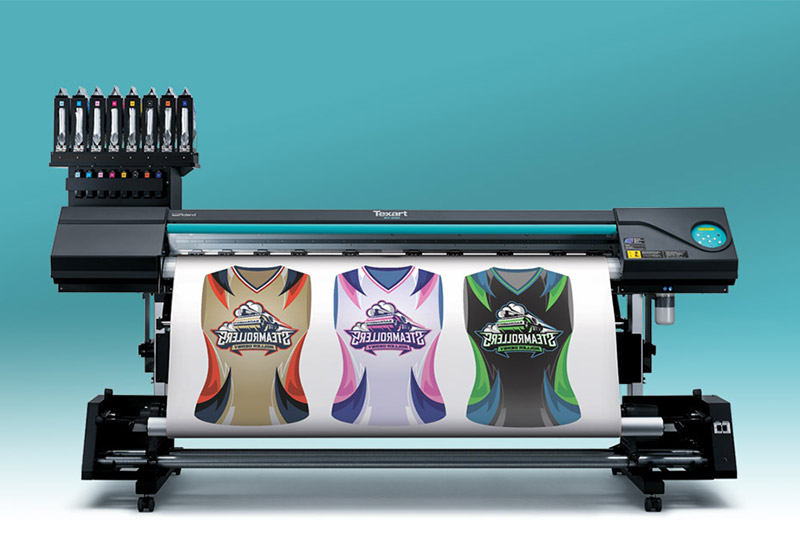
One substantial fad is the raised application of electronic printing technologies. Digital fabric printing is anticipated to control the market, driven by its effectiveness and versatility to customer demands for personalized and limited-edition products. DTF printing.
Furthermore, the incorporation of clever textiles, which integrate electronic parts into textiles, is readied to transform the marketplace. These textiles can supply added performances such as temperature level policy, wellness monitoring, and interactive features. As technology proceeds to development, the intersection of digital printing and wise fabrics will certainly open new opportunities for creative and functional applications in fabric printing.
Verdict
The development of fabric printing from conventional approaches to digital innovations marks a considerable change in the textile industry. While traditional techniques highlight artisanal craftsmanship and social heritage, electronic printing uses unmatched accuracy, effectiveness, and personalization.
The transformation of towel printing from standard methods like block printing and resist coloring to contemporary strategies such as screen and electronic printing marks a substantial check my blog shift in the fabric industry. Display printing enabled developers to create detailed patterns and vibrant colors on fabrics, which were previously testing to accomplish with block printing or hand-painting approaches.
Building on the impressive developments brought by display printing, the textile market experienced another groundbreaking growth with the introduction of electronic printing. Branded clothing. Standard cloth printing, including strategies like block printing and screen printing, entails manual labor and complex craftsmanship. As innovation proceeds to advancement, the crossway of electronic printing and smart fabrics will certainly open brand-new methods for innovative and useful applications in fabric printing
Comments on “Discovering the Advantages of Sublimation Printing for High-Quality Fabrics”